Custom Woodwork & Joinery for Commercial Interiors
We do not sell timber, MDF or boards. We use them to manufacture custom counters, cabinetry, shelving, wall panels and furniture for cafés, restaurants, stores, showrooms and mall kiosks.
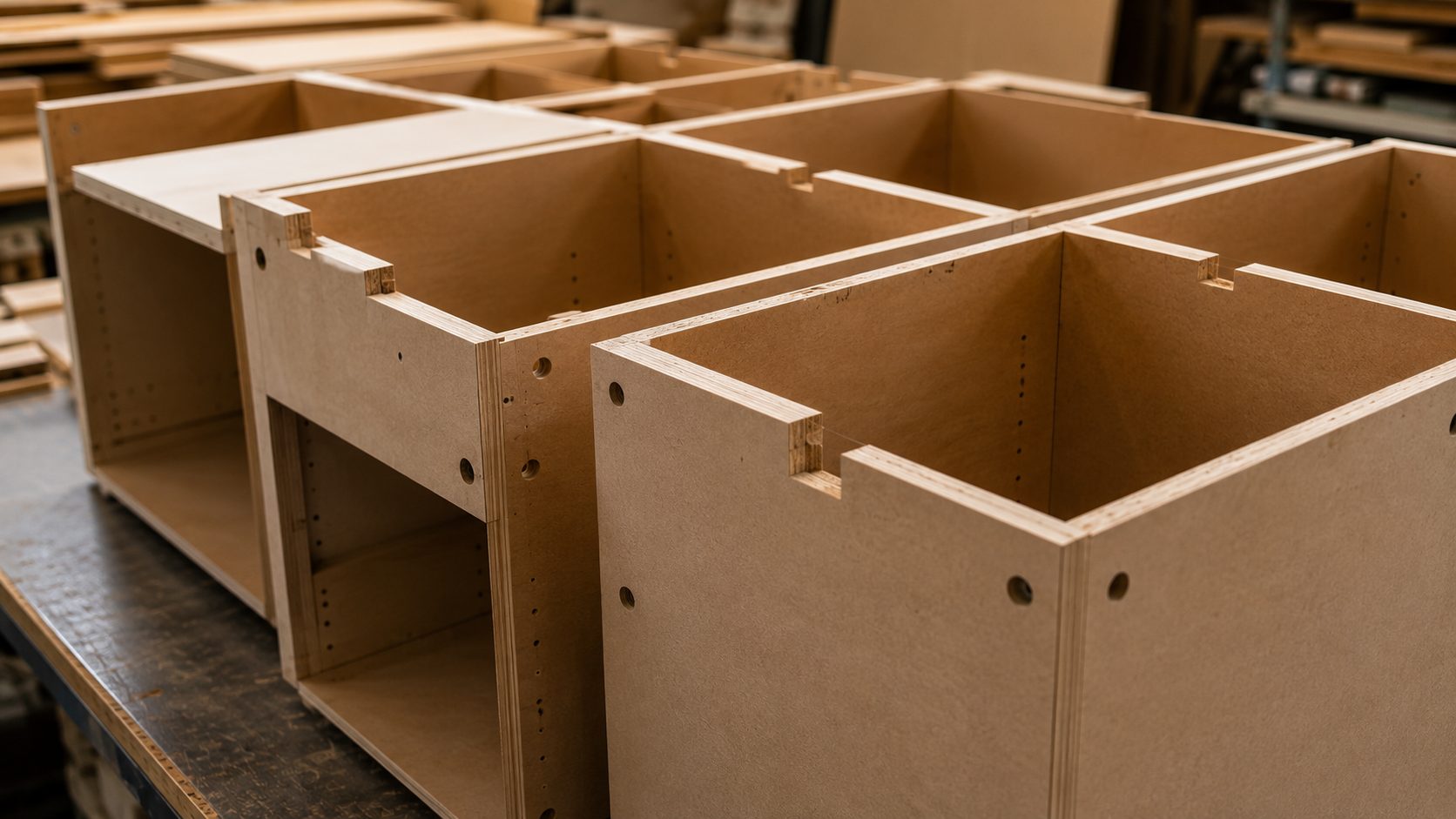
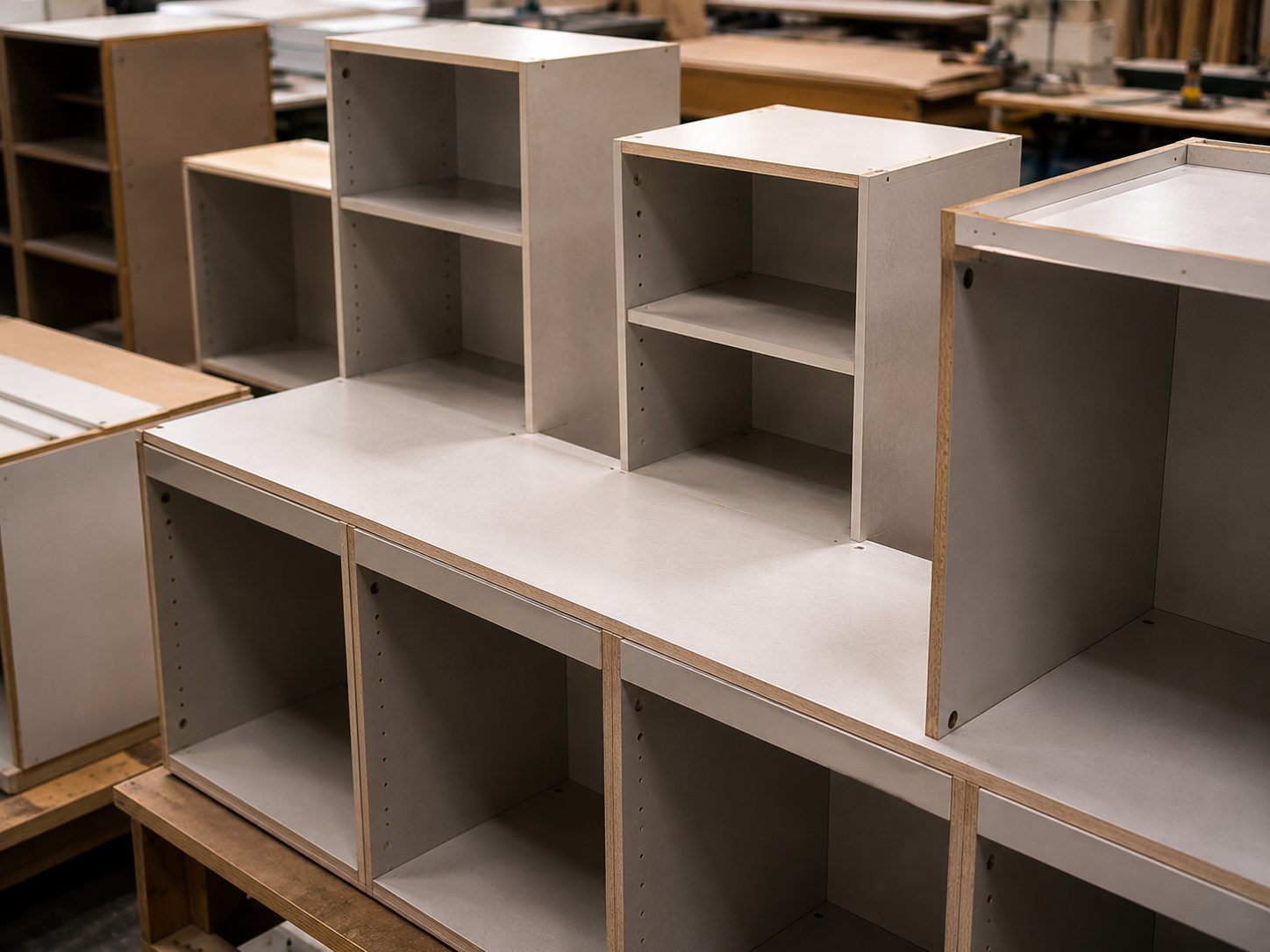
What we manufacture with it
Standchi is not a material supplier. Made-to-measure counters, cabinets, wall cladding, shelving, display furniture, banquettes and project-specific joinery produced in our Istanbul workshop.
Material selection is part of a larger design-and-build project. Continue to the service that matches your space: Café Design · Restaurant Design · Store & Shop Design · Showroom Design · Mall Kiosk Design.
Why we use it in commercial fit-outs
Woodwork is the cutting and joining of wood-based materials — such as MDF, chipboard, plywood, solid timber and laminated panels — into furniture, counters, shelves, panels and decorative fabrication. It is the most common structural material in interior decoration.
- MDF: Made from pressed wood fibre, with a smooth surface; the panel best suited to paint/lacquer and veneer.
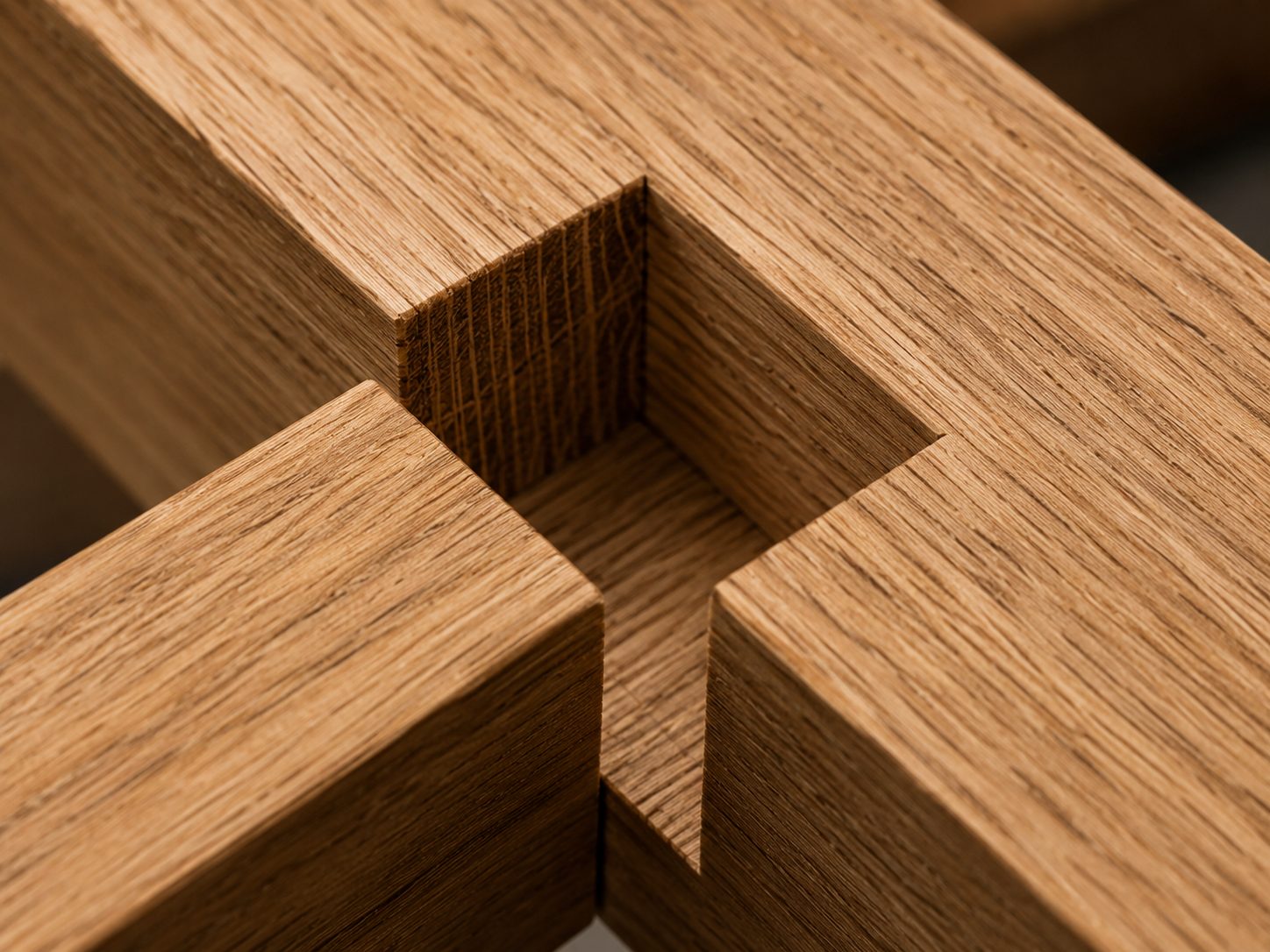
- Solid wood: Worked from natural timber, high in strength and adding value through its texture.
- Laminate / melamine panel: Chipboard clad with decorative paper/melamine; an economical, durable carcass material.
- Plywood: A bend-resistant panel of cross-pressed veneer layers.
Options we specify by project
Panel types
- MDF and melamine-faced MDF (MFC): Comes in standard, moisture-resistant (MR MDF, green core) and fire-retardant (FR MDF, red core) grades.
- Chipboard (melamine-faced): Its melamine-faced form is the economical standard for carcasses.
- Plywood & OSB: For structural and load-bearing applications.
Edges & joints
Edges are finished with PVC/ABS banding, solid lipping or lacquer; joints use cam fittings, wooden dowels, lamello and concealed connectors.
What matters in fabrication
| Processing | CNC routing, panel sizing, edge banding, milling, drilling |
|---|---|
| Thicknesses | 8 · 18 · 22 · 30 mm and custom thicknesses |
| Surface options | Melamine, lacquer, wood veneer, laminate |
| Moisture resistance | In wet areas, moisture-resistant (MR) MDF is recommended |
| Connections | Cam fittings, dowels, lamello, concealed hinges/runners |
| Standard sheet | Around 210 × 280 cm (depending on the maker) |
Where we use it
Almost all carcass and structural work in a space relies on woodwork:
- Bar, service and cashier-counter carcasses
- Cabinets, shelving and display systems
- Wall panels, wainscoting and ceiling applications
- Table, seating and decorative furniture frames
- Under-counter and storage units
Why we specify it selectively
Advantages
- Easy to work, takes any form (precise with CNC)
- Unlimited looks with paint, lacquer, veneer and laminate
- A wide budget range from economical to premium
- Suitable for modular production and dismantling/transport
Points to consider
- Untreated MDF/chipboard is moisture-sensitive (edge protection is essential)
- Solid wood can move with moisture/heat (expansion allowance is needed)
- A quality result needs proper edge-banding and finishing
After installation
Wiped with a damp soft cloth; a suitable cleaner is chosen according to the surface (lacquer, melamine, veneer). In wet areas prolonged water contact should be prevented, and edge bands renewed if damaged. Joinery made with the right finish keeps its form for many years.
How we apply it at Standchi
In our 700 m² indoor workshop we produce joinery to millimetric precision with CNC router, panel-sizing and automatic edge-banding lines. We choose lacquered MDF, melamine or solid/veneer solutions according to the project's budget and concept, and — through modular production — offer fabrication that can be dismantled and reassembled on distant projects.
Let's choose the right carcass material together
Let's plan the right use of this material together in your café, restaurant, store or mall kiosk project.
Get a Quote Production Capabilities