Laminate & Veneer in Custom Joinery
We do not sell laminate sheets or veneer. We specify and apply them while manufacturing custom counters, cabinetry, wall panels and display furniture for commercial interiors.
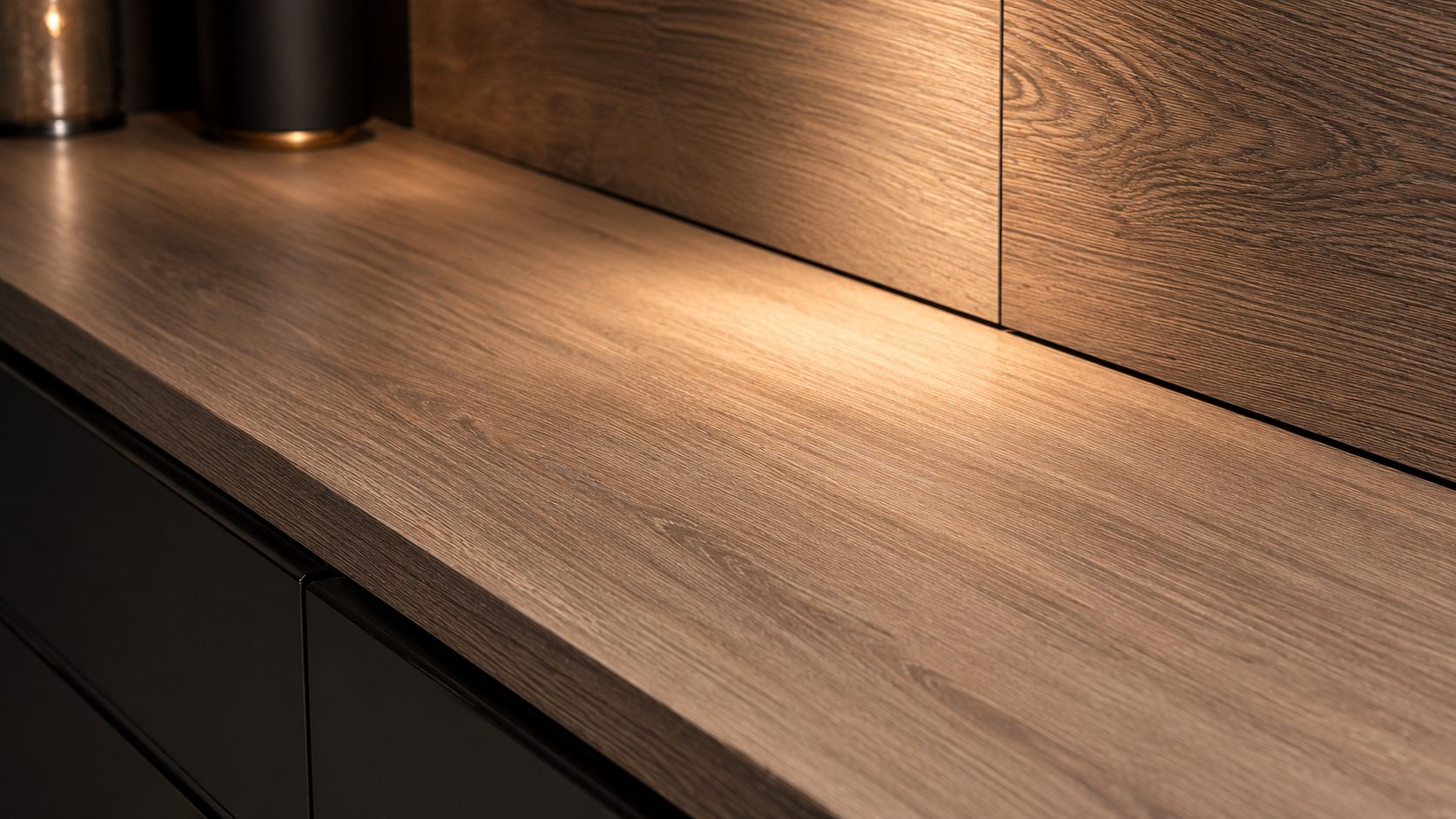
What we manufacture with it
Standchi is not a material supplier. Bar and cashier counters, cabinets, wall cladding, shelving, display furniture, banquette details and other made-to-measure joinery.
Material selection is part of a larger design-and-build project. Continue to the service that matches your space: Café Design · Restaurant Design · Store & Shop Design · Showroom Design · Mall Kiosk Design.
Why we use it in commercial fit-outs
Laminates and veneers are thin decorative layers applied to the surface of panels such as MDF and chipboard. They determine the panel's appearance (wood, solid colour, stone, metallic) and durability.
- HPL (high-pressure laminate): Multi-layered, scratch- and impact-resistant; for heavy-use surfaces.
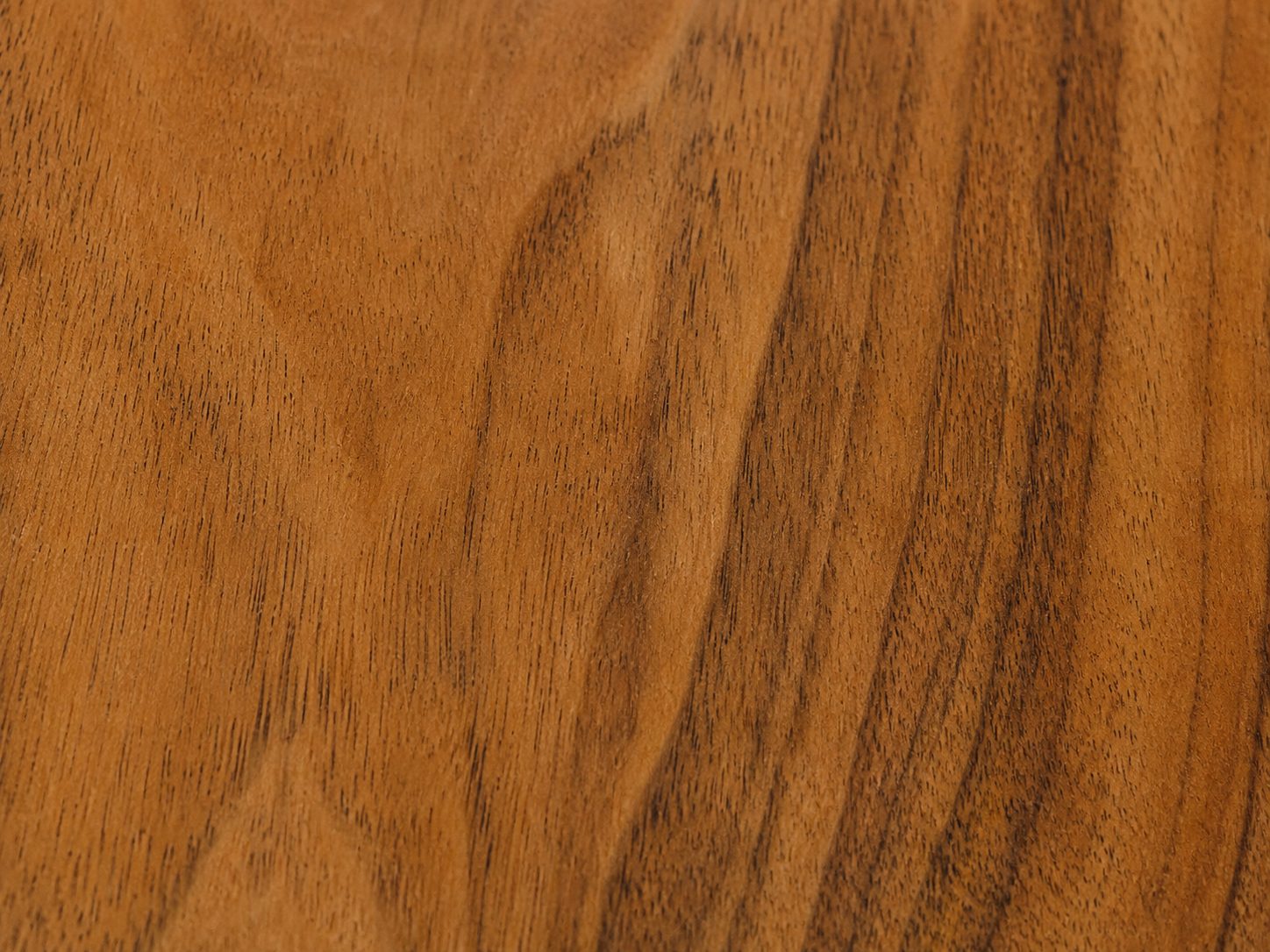
- Natural wood veneer: A thin layer of real wood; a premium look with a solid-wood feel.
- PVC foil / membrane: Heat-pressed; seamless covering on doors and profiled surfaces.
- Melamine (LPL): An economical decorative surface pressed directly onto the panel.
Options we specify by project
Laminate types
- HPL: 0.7–1 mm; counters, tables and high-contact surfaces.
- Compact laminate: Self-supporting, thick HPL (separate page).
- Melamine (LPL): The economical standard for carcasses and shelf surfaces.
Texture & pattern
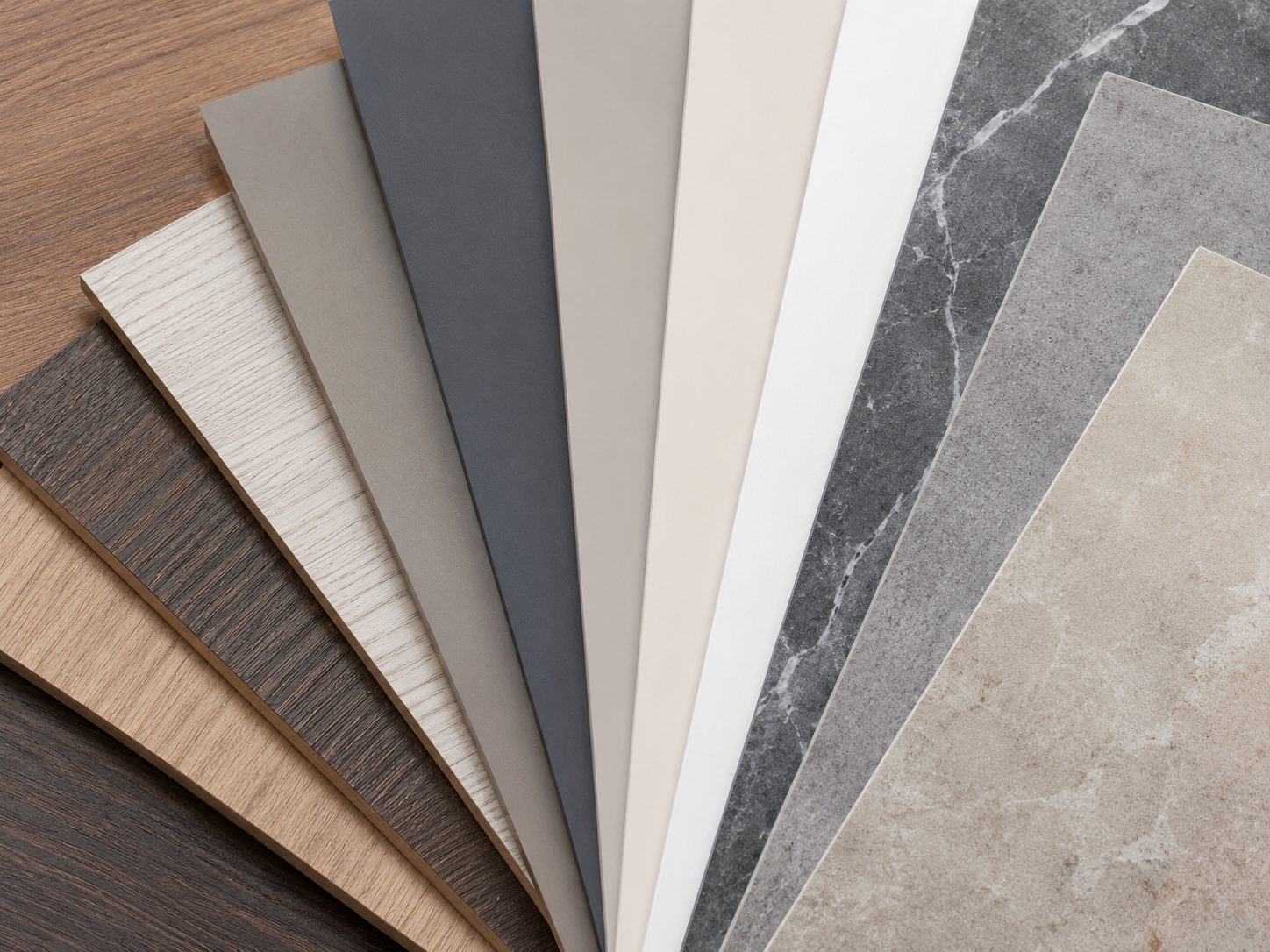
Wood, solid colour, stone/concrete, metallic and textile textures; matt, silk-matt, gloss and textured (synchronised) surface options are available.
What matters in fabrication
| HPL thickness | 0.7 – 1.0 mm (surface), compact 6–12 mm |
|---|---|
| Durability | Scratch-, impact-, heat- and stain-resistant (HPL) |
| Application | Bonding / heat pressing onto the panel |
| Wood veneer | About 0.6 mm of real wood + varnish/lacquer |
| PVC foil | Seamless membrane pressing on profiled doors |
| Surface | Matte, silk-matte, gloss, textured (synchronised) |
Where we use it
Preferred on all visible panel surfaces:
- Counter tops and bar fronts (HPL)
- Cabinet doors and shelf surfaces
- Wall panels and decorative claddings
- Table tops and service surfaces
- Store shelving and display units
Why we specify it selectively
Advantages
- Resistant to scratch, stain and wear (especially HPL)
- Hundreds of patterns and textures, from wood to stone
- A premium solid-wood feel with natural veneer
- Easy-to-clean, hygienic surface
Points to consider
- Damaged HPL laminate is hard to repair locally
- Natural veneer can change colour with sun/heat
- A quality result needs proper bonding and edge work
After installation
Wiped with a damp soft cloth; HPL surfaces withstand everyday kitchen cleaners. On natural wood veneer, standing water should not be left, and the varnish/lacquer on it should be protected. Abrasive powder and scouring pads are not used.
How we apply it at Standchi
We cover panel surfaces with HPL, natural wood veneer or PVC membrane to suit the project's concept. On high-contact counters and bar fronts we recommend HPL/compact laminate, and on accent surfaces natural wood veneer — combining durability and aesthetics.
Let's choose the surface texture and durability together
Let's plan the right use of this material together in your café, restaurant, store or mall kiosk project.
Get a Quote Production Capabilities